What’s the veggie that you can eat for breakfast, lunch, dinner and dessert? If you answered “carrots”, you would be right! Eat them straight from the garden, roasted, in salads, in smoothies, juiced or made into cakes and muffins.
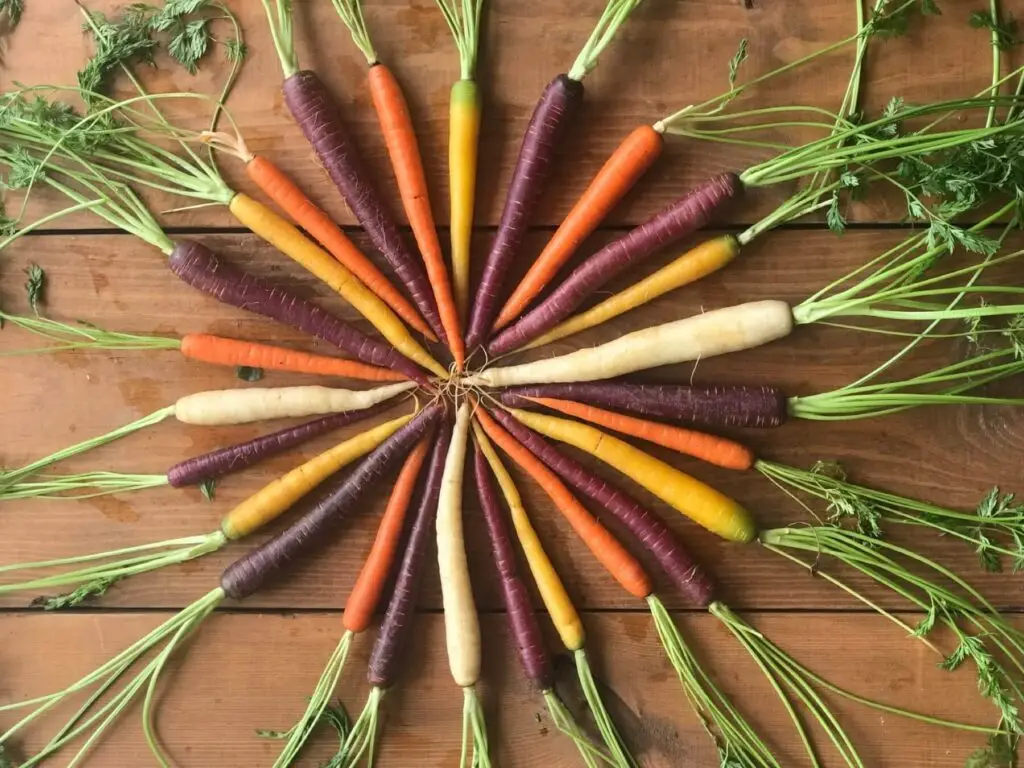
Carrots are one of the most popular and versatile of all vegetables. Long orange varieties have been the norm, but a quick glance at seed catalogs or farmers markets shows colorful and unusual shaped varieties gaining popularity.
With this shift toward different varieties, growers and consumers are going back to the “roots” (pun intended) of carrots. The first carrots were thought to have been either purple or white; hybridization and selection helped develop the orange-colored carrot that’s so common today. Also, researchers are discovering the value of the micronutrients found in the various pigments of carrots.
Here are a few unique and flavorful options to try:
Parisian:
These French heirloom round-shaped carrots have been around since the 19th century. Parisian carrots excel in clay or rocky conditions that might “stump” other carrots. They are also easily grown in pots and will tolerate part-sun conditions. The best part about these bite-sized carrots is the taste. A favorite of gourmet chefs, they are sweet and delicious cooked or fresh.Cosmic Purple:
Developed in 2005 by Dr. Phillip Simon and others at the USDA, Cosmic Purple carrots have a bright purple skin and the inside is yellow-orange. The outside of the carrot stays purple when you cook it. Purple carrots contain the pigment anthocyanin which has antioxidant properties. Plus, it’s just more fun to eat a purple carrot, am I right? Cosmic Purple carrots have a sweet flavor with a bit of spice. Overall, a great choice for eating raw, storing or baking.Black Nebula:
Once difficult to find, black nebula seeds have become more available from many seed companies. Black carrots are more commonly grown and consumed in countries such as Turkey, India, Pakistan, and the Far East. The juice from black carrots contains 28 times the amount of anthocyanins found in standard orange carrots, and is thought to have anti-bacterial and anti-fungicidal properties. Şalgam and Kangi are traditional fermented drinks made with black carrots, popular in Turkey and Middle Eastern cultures. Black carrot extract is also used as a natural food coloring.
Whether it’s time to plant or harvest carrots where you live, or maybe it’s cold enough to buy one from the farmers market to put the finishing touches on a snowman, give these unusual new and heirloom varieties a try.
Share The Garden Love
About the Author:
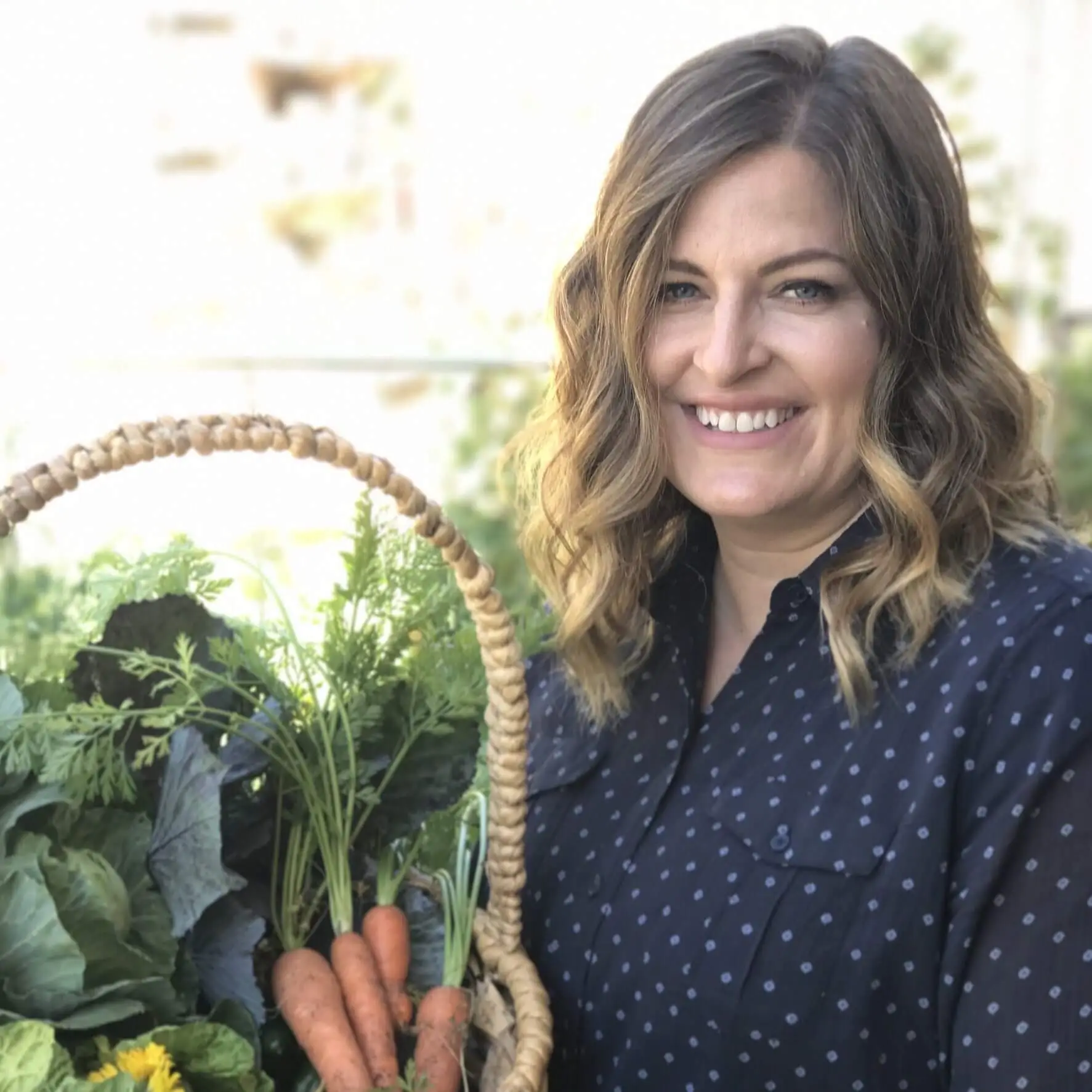
Angela Judd is an avid vegetable, flower and fruit tree gardener. A mother of five children, she enjoys growing and preparing food from the garden for her family. She is a certified Master Gardener. She shares inspiration and tips to help home gardeners successfully grow their own garden on growinginthegarden.com. Follow her on Instagram and Facebook.