If you’ve got a Foodsaver or similar vacuum-sealing system, the time is coming to put it to good use with all of your garden harvest! And, if you’re into fermenting foods, it’s good to know that you can actually use your vacuum-sealing system to do the job for you.
Not sure what this is all about and how to do it? We’ve got the basics for you, and once you’ve gotten your feet wet, simply do an Internet search for more recipes and techniques — but be aware, it may lead to a mild obsession.
First off, what is lacto-fermentation?
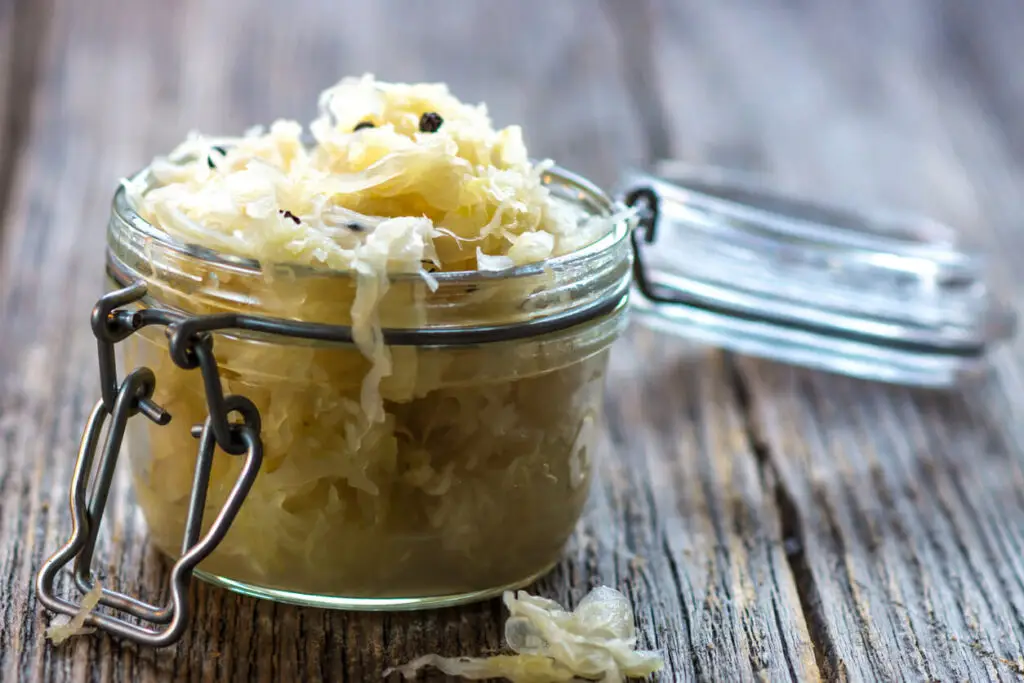
If you’ve enjoyed foods like kimchi, sauerkraut, yogurts, and pickled veggies, you’ve eaten fermented foods. Fermentation is a method of preserving food, and there are different types of fermentation — lacto-fermentation being one of them. Lacto-fermentation uses lactic acid-producing bacteria to preserve food, breaking down sugar in an oxygen-free environment. Great for the science nerds among us!
The most familiar method of lacto-fermentation is to submerge food into a brine of water and salt in a sealed container (glass jar, food-grade plastic, ceramic crock). Submerging the food and sealing the jar limits the oxygen in the container, which then creates a fascinating combo of lactic acid and carbon dioxide, making the food acidic in the process.
What are the benefits of lacto-fermentation?
The benefits are numerous:
- Simple way to preserve food
- Extends the shelf life of food
- Reduces food waste
- Creates delicious food
- Inexpensive and effective
- Produces good live bacteria cultures (probiotics)
- Suppresses bad bacteria (fungi and mold)
- Great for gut health, digestion, and overall health
Kellogg Garden OrganicsAll Natural Potting Mix
**Product not available in AZ, CA, HI, NV, UT. For a comparable product in these states click here.
How can I use my Foodsaver with lacto-fermentation?
If you’ve read this far, you now know that lacto-fermentation needs an environment that limits oxygen — and that’s where your vacuum-sealer system comes in. You place your ingredients in the bag, distribute the contents evenly, then the Foodsaver sucks the air out of the bag and seals the end. Viola! The beginning of lacto-fermentation in a bag!
Now, the process will be a bit different depending upon what foods you are using, but let’s use a sauerkraut type of recipe as an example. Using your favorite recipe, you’d follow these basic steps:
- Chop and weigh the vegetables (use a kitchen scale that weighs in grams)
- Add 2.5% salt by weight (multiply the weight of your veggies x 0.025)
- Vacuum and seal the bag
- Store in a cool, dark place for 4-6 weeks
- Open and store in the fridge
As lactic acid and carbon dioxide build up inside the bag (it’s like magic), you’ll notice the bag will begin to “puff up” — that is normal; you want that. What you don’t want, however, is an excessively puffed-up bag that can explode, so keep an eye on it and open the bag if it starts to look like a fully inflated balloon. Foods that are high in sugar tend to puff up more inside the bag (beets, fruits, some squashes, for example).
It’s important to follow directions for each of your recipes using this method, because lacto-fermenting blueberries may take only a week, while a veggie mix takes up to 6 weeks.
And that’s it! Lacto-fermentation is really quite easy, delicious, and produces good-for-you food at a fraction of the cost as store-bought fermented foods. It’s a win-win-win.