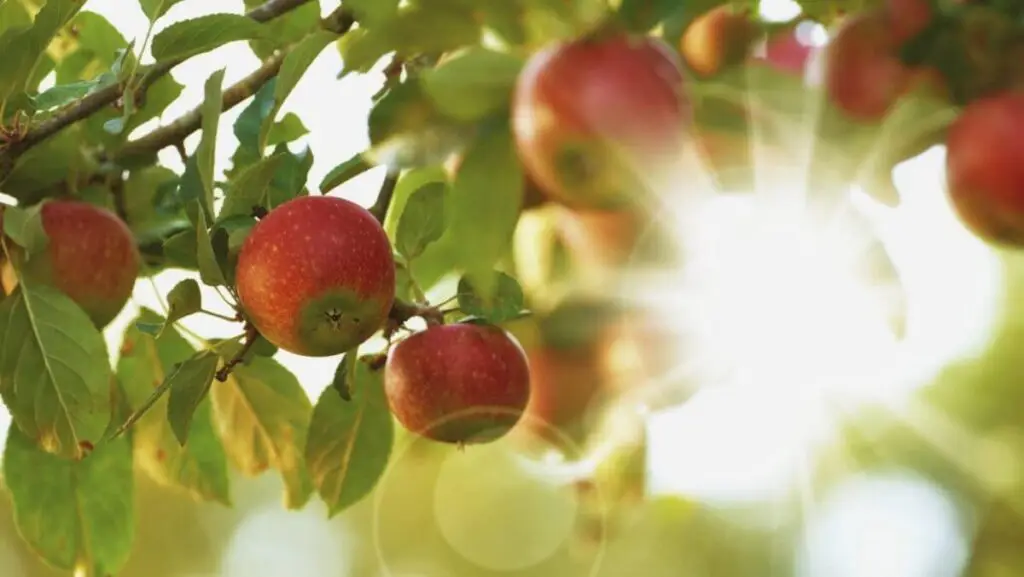
Fruit trees are not only beautiful additions to any landscape but once they start producing! How wonderful to walk to your backyard and pick delicious, organic fruit for your family! This guide shows how you can properly plant and care for fruit trees to keep them healthy, happy, and productive.
Location
Full sun is vital to fruit trees’ survival. Also important is well-drained soil. Certain varieties are more forgiving of less-than-perfect conditions. Pears, plums, and apples will put up with somewhat poor drainage and less than full sun.
Planting
Fruit trees that drop their leaves every year (deciduous trees) are usually sold in containers during the growing season and bare-root during the dormant season. It’s very important to the health of your fruit trees that you plant bare-root trees as soon as you can after buying them.
Dig the hole about twice as large as the container or “root ball” of your tree. Make sure to fill in the hole with a mix of native soil and the soil building compost. Cover the top with 2-3 inches of compost or mulch. If your soil is very clay-like, you may need to add some gypsum to the hole as well. Most fruit trees are pretty low-maintenance once they’re established, but if you pay attention to them and provide proper care you’ll get a more abundant, flavorful harvest.
Fertilizing
It’s common practice for commercial fruit tree growers to regularly fertilize their trees. If you’re a backyard grower, it’s likely your trees only need a bit of fertilizer now and again, according to most home growers. Pay attention to your trees’ growth. If they’re growing well, they’re getting all the nutrients they need and fertilization is unnecessary. If they’re not doing so well, apply a high-nitrogen organic fertilizer in the early spring to give them a needed boost. However, if they continue to grow poorly, you may have soil that is deficient in other nutrients. You can get your soil professionally tested and then follow the lab’s suggestions. Your trees should be thriving in no time!
We highly recommend adding fruit trees to your landscape. The payoff in fresh, organic fruit is worth the effort!
Fertilizing & Pruning Fruit Trees: Orchard Tour – Part 2
Follow Brijette, and Urban Gardener from zone 10b, as she continues to show us around her Orchard and give us some advice on fertilizing and pruning evergreen and deciduous fruit trees.
Whether your garden is big or small, make the most of your space with these tips and watch the full Fertilizing & Pruning Fruit Trees: Orchard Tour – Part 2 video on the Kellogg Garden Youtube Channel.https://www.youtube.com/watch?v=ZWsa3xMAjjk
Diseases & Pests
As with any plant, fruit trees can be hit by diseases and pests. If you have deciduous fruit trees, apply an organic oil spray during the dormant (leafless) season. Usually 2-3 times a year in November – January for climates similar to Southern California. For climates with longer winters, February – March. The oil eliminates the pests and any overwintering eggs. Your local Cooperative Extension Office or nursery/garden center can give you more detailed advice on fruit tree disease and pest identification and what to do about them.
We highly recommend adding fruit trees to your landscape. The payoff in fresh, organic fruit is worth the effort!