Monitoring the health of your leaves will help you keep your garden thriving and vibrant. Whether you’re growing vegetables, flowers, or houseplants, your plant’s leaves can be an early sign of its overall health. In this guide, we’ll dive into the causes of unhealthy leaves, how to find issues, and most importantly, what steps you can take to keep your plant’s foliage in tip-top shape. After all, healthy leaves mean healthy plants!
The Role of Leaves in Plant Health
Leaves do more than just add beauty to your garden—they play a big role in photosynthesis, the process plants use to turn sunlight into energy. When leaves are damaged or discolored, it can affect a plant’s ability to grow and produce. But how can you tell if your plant’s leaves are healthy?
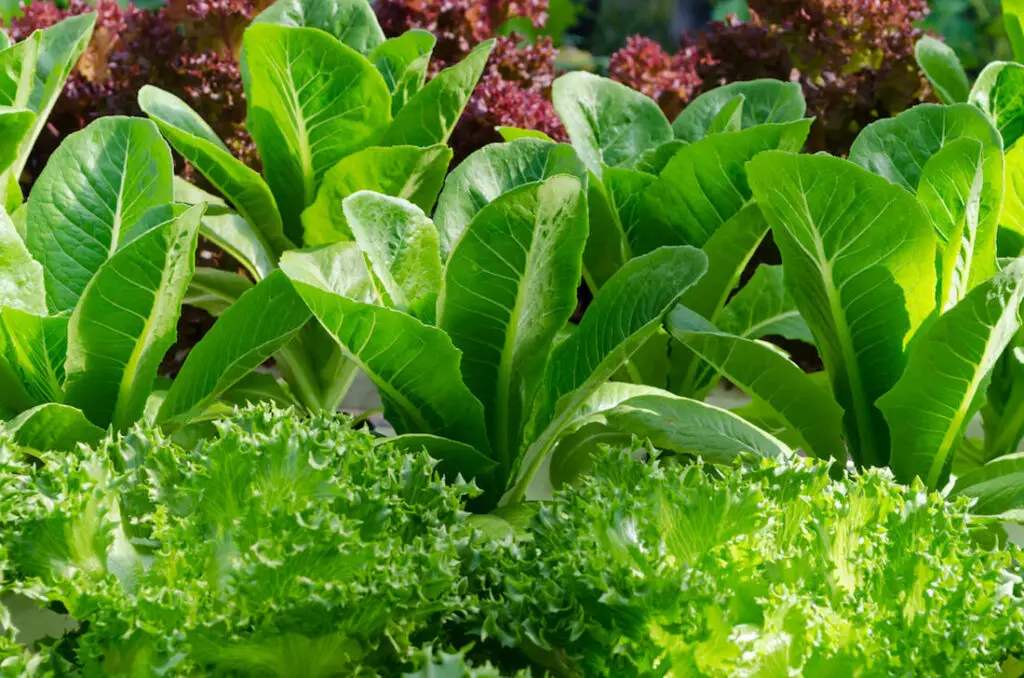
Healthy leaves should be green, vibrant, and free of any spots or irregularities. They should feel firm, not brittle or wilted. If you notice any changes in the leaves’ appearance, it could be an early sign of stress or disease.
Common Causes of Unhealthy Plant Leaves
- Overwatering or Under watering: Water is important to plant health, but too much or too little can cause serious issues. Overwatering can suffocate plant roots, leading to yellow leaves or fungal growth. Under watering, on the other hand, causes leaves to become dry, brittle, and brown. Aim to water your plants consistently and according to their unique needs.
- Nutrient Deficiencies: Different plants require varying amounts of nutrients, like nitrogen, potassium, and magnesium. Yellowing leaves, especially between the veins, can be a sign of nutrient deficiency. To prevent this, ensure you’re using a balanced fertilizer or enriching your soil with organic matter like compost or worm castings.
- Pest Damage: A range of pests, from aphids to spider mites, can damage your plant’s leaves, causing holes, discoloration, or curling. Regularly inspect your plants for pests and use organic pest control methods like neem oil or introducing beneficial insects such as ladybugs.
- Sunlight Issues: Plants need the right amount of sunlight to thrive. Leaves that are scorched or have brown tips might be getting too much sun, while pale leaves could mean a lack of sunlight. Know your plant’s sunlight needs and adjust its placement in your garden accordingly.
- Environmental Stressors: Sudden changes in temperature, humidity, or even the presence of strong winds can affect leaf health. For example, cold drafts can cause leaf drop on houseplants, while outdoor plants may suffer from heat stress during long periods of hot weather.
How to Keep Your Plant Leaves Healthy
Now that you know the common culprits, let’s focus on proactive care to maintain healthy leaves and a strong garden.
- Water Consistently: One of the most common mistakes is inconsistent watering. Always check the soil’s moisture level before watering and make sure your plants have good drainage. For potted plants, ensure that water can flow freely from the container’s drainage holes.
- Feed Your Plants Regularly: Using organic fertilizers or compost will provide your plants with the nutrients they need for healthy leaf growth. Consider Kellogg Garden’s organic soil amendments to enrich your garden naturally.
- Pest Prevention: Preventing pest infestations starts with maintaining a clean, well-mulched garden. Keep a lookout for early signs of pests and treat them promptly with organic solutions.
- Proper Sun Exposure: Ensure your plants get the proper amount of sunlight each day. For indoor plants, rotating pots regularly can help ensure the light reaches all of them equally.
- Mulching and Soil Health: Mulching helps maintain soil moisture and regulates temperature. It also reduces the chances of disease by keeping soil-borne pathogens from splashing onto leaves.
- Regular Pruning: Pruning helps remove damaged or diseased leaves, allowing the plant to focus its energy on new, healthy growth. Always use clean tools to prevent the spread of disease.
Signs of a Healthy Plant
Healthy plants have vibrant green leaves, sturdy stems, and active growth. If your plant’s leaves are glossy and free of spots or tears, you’re on the right track! Regular maintenance and care will keep your plants looking their best.
It’s Time to Thrive
Monitoring the health of your leaves will help you keep your garden thriving and vibrant. By understanding the causes of unhealthy leaves and sticking to a regular care routine, you can be sure your plants are getting exactly what they need to grow strong and beautiful. Stay on top of watering, sunlight, and pest management, and your garden will flourish for years to come!