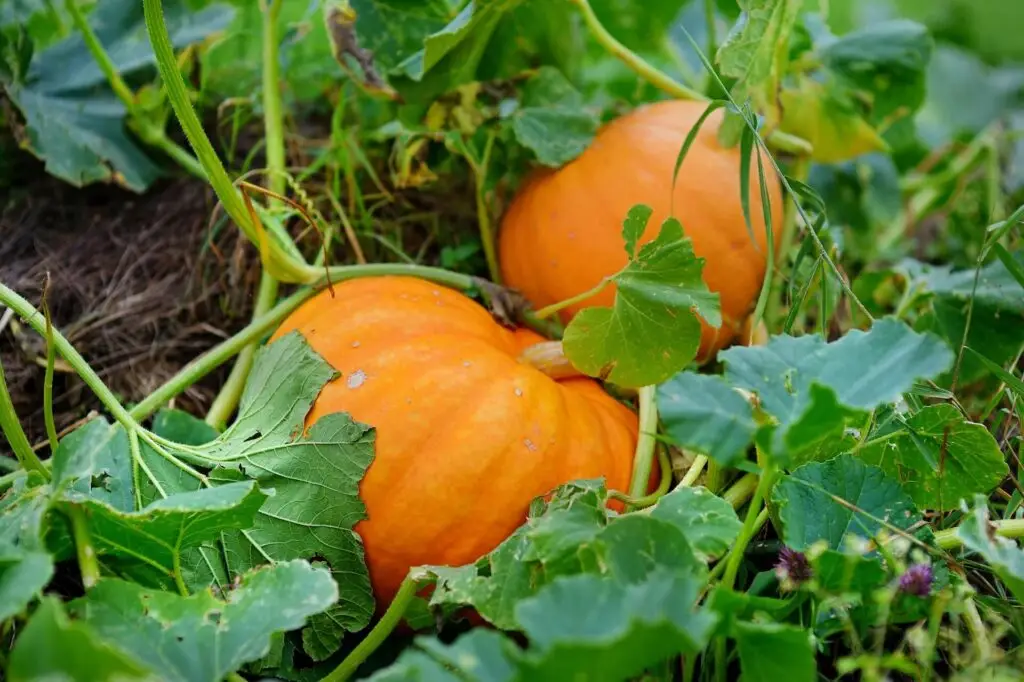
Pumpkins are rewarding plants to grow and really earn their large patch of real estate in the garden with their showstopping fruit production. Pumpkins come in various sizes, colors, flavors, and textures that add warmth and cheer to the Fall season.
As we discussed in When to Plant Pumpkins, pumpkins are very easy to grow from seed, but if you’re late getting your seeds in or you just want a head start, opt for 4” transplants. Choose a site with as much full sun as possible and well-draining soil.
There are several things that you can do to help your pumpkins thrive and grow to their fullest potential. Check out our list of tips for how to grow a bumper crop of pumpkins in your garden this year.
Companion Planting
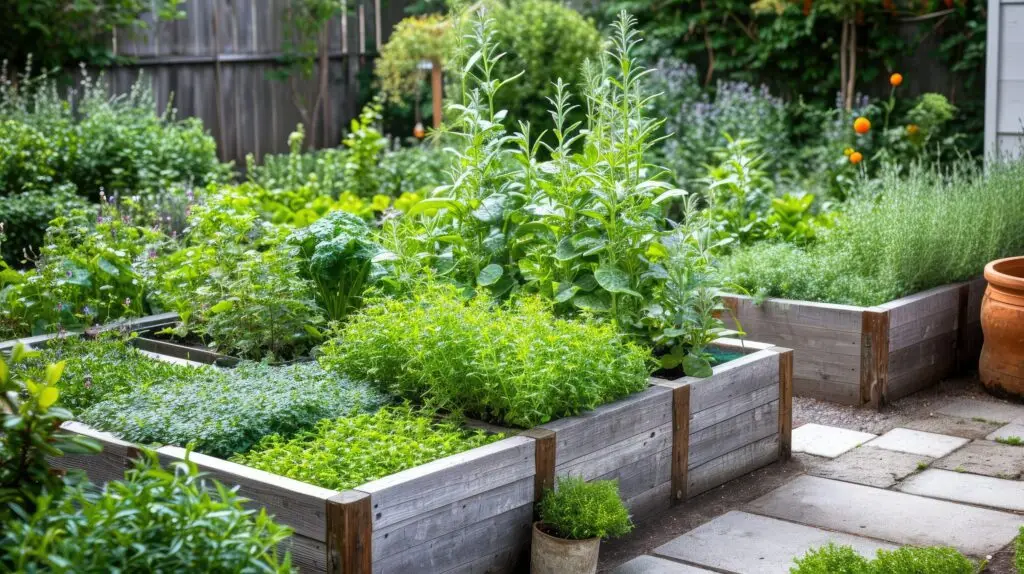
Interplanting certain plants with your pumpkin plants and other vegetables can help them grow to their best potential. Some plants work to feed or enhance the flavor of their neighbors. While other plants draw beneficial insects or repel predators. Knowing what to plant with your pumpkins can bolster the health and productivity of your plants.
Pumpkins are heavy feeders in the garden. If you plant beans with your pumpkins, the beans actually release nitrogen back into the soil, which feeds hungry plants like pumpkins. If you are looking for a more enhanced flavor for your pumpkins, plant marjoram in your pumpkin beds.
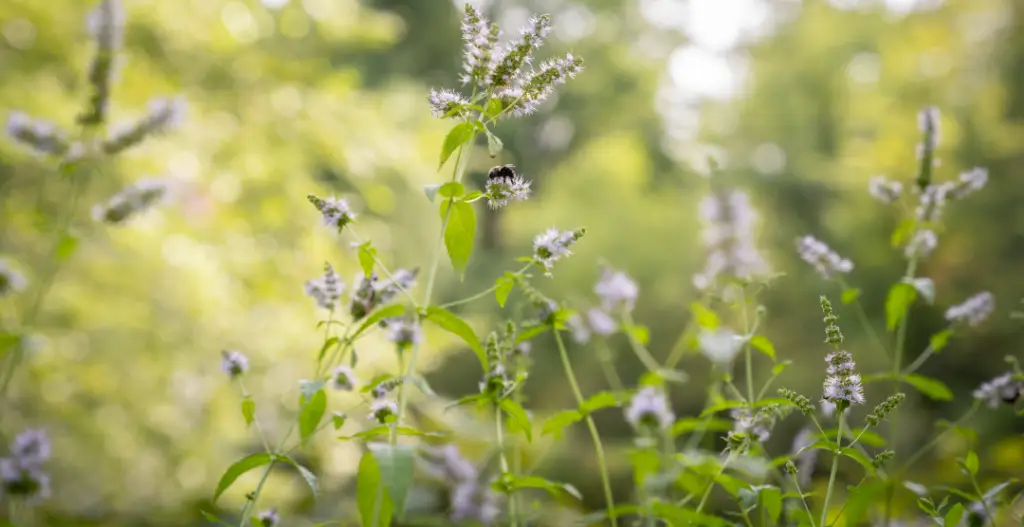
There are some plants that attract beneficial insects that pollinate pumpkin flowers and aid in their ability to produce fruit. Sage, thyme, mint, lavender, and cosmos are abundant flowering plants that appeal to pollinating insects. Other plants like garlic, onion, marigolds, oregano also have strong odors that repel destructive insects like squash bugs and conceal crops from insects who love to feed on pumpkin plants.Kellogg Garden OrganicsAll Natural Raised Bed & Potting Mix
**Product not available in AZ, CA, HI, NV, UT. For a comparable product in these states click here.
Diseases and Pests
When growing pumpkins, you will undoubtedly encounter a few pests or a disease that threatens your crop. We’ve highlighted a few of the most common invaders that can wreak havoc in your garden bed and included some tips on how to manage them organically. Prevention and early detection are vital to combatting these nemeses.
Powdery Mildew
Powdery mildew is easily recognized by its white powdery film that leaves on plant leaves, and it can spread quickly through the garden. Avoid this disease by watering early in the morning so that leaves have a chance to dry throughout the day. Use soaker hoses and water the base of plants rather than the leaves and plant with recommended spacing to allow air to circulate through the plants. If you see this white powdery film on plant leaves, pinch the leaf off and dispose of it far away from your garden.
Slugs
Slugs love pumpkins just as much as humans do, especially young pumpkins. You can combat these critters by nestling a pie plate or shallow dish into the soil near pumpkin plants so that the rim is even with the ground, and a shallow trough hangs below the soil surface. Fill it with beer. Slugs will seek out the beer and fall into the dish, unable to crawl out.
Aphids
Aphids can cause leaves to yellow and spread disease among pumpkin plants. Combat these pests by spraying a strong spray of water at the plant. Introduce ladybugs who are predators of aphids.
Squash Bugs and Squash Vine Borers
Squash bugs and vine borers can be a serious problem for pumpkin plants. Keep a close eye on your plants and remove them by hand if you see them. If they are not controlled early, they can be devastating to your plants and destroy your pumpkin crop.
Watering
Pumpkins use a lot of water throughout their growing season, so you may want to set up a soaker hose irrigation system. As previously mentioned, watering at the base of the plants can also help prevent diseases like powdery mildew on plant leaves, which can decimate not only your pumpkin crop but much of your vegetable garden. Water your pumpkin plants deeply, allowing the soil to dry in between waterings of about two to three times per week. Add organic mulch around your pumpkin plants to conserve water and regular the soil temperature of your garden bed.
Fertilizing
Pumpkins require plentiful amounts of nutrients in order to thrive and produce adequate fruits. Use a liquid or granular fertilizer rich with potassium, nitrogen, and potash. Early on, add an all-purpose fertilizer and stress a fertilizer with more potassium as the pumpkin plants start producing fruit. Feed pumpkin plants two to three times throughout its growing season.
Recommended Varieties
‘Jack Be Little’ are perfect little pumpkins that abundantly cling to their vines and will fit in the palm of your hand when mature. They come in white and orange varieties and make charming decorations in the fall.
‘Big Max’ is a prize-winning pale orange giant that can grow up to 300 pounds!
‘New Moon’ is a cultivar that boasts bright white smooth skin and tender flesh. It is a unique option for carving!
‘Cinderella’ boasts bright orange, showy fruits that are straight from a fairytale. They are great tasting and often used in pumpkin pie.
‘Blue Lakota’ falls into shades of blues and greens and is slightly ribbed in texture.