Garden boxes provide the perfect growing environment for vegetables. By sectioning off space in your yard for a focus on food production, you will create a means for sustainable living. It can be so exciting to think about starting a vegetable garden that you may be tempted to overdo it, which can foil your efforts.
It is best to start small with a simple spring vegetable garden box and build upon your accomplishments over time as you gain more confidence in gardening. We will provide you with the tips you’ll need to prepare, plant, and maintain a successful simple spring vegetable garden box.
Site Selection
Choose a parcel of land in your yard that is flat for building your vegetable bed. Ensure that you select a garden area that also receives plenty of sunshine. Most high yielding veggies require a minimum of six to eight hours of direct sunlight for peak success.
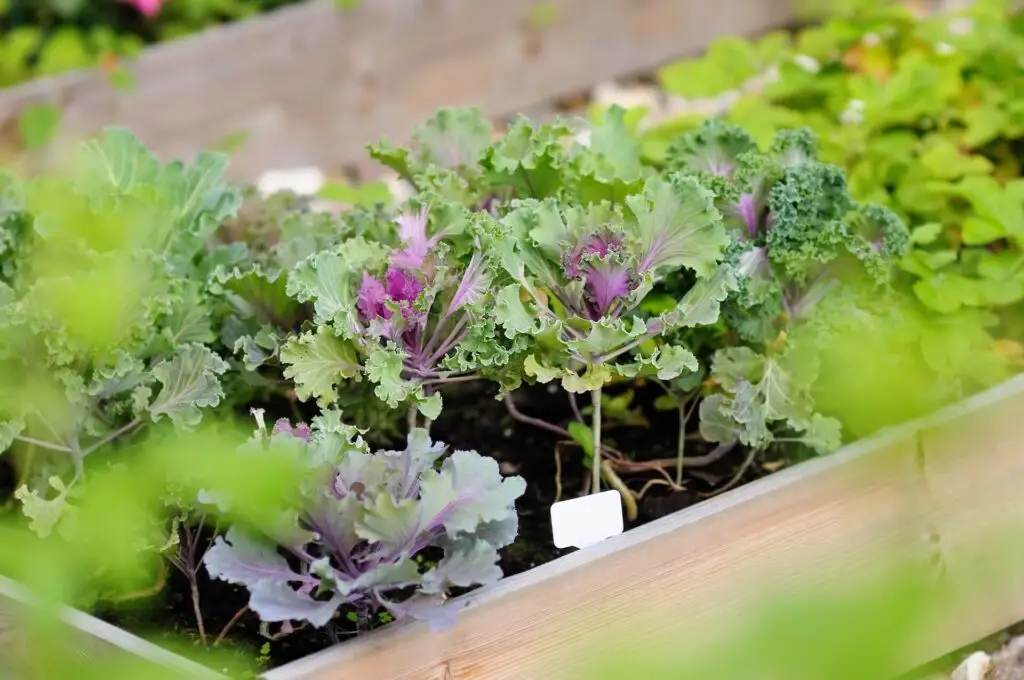
If you have shadier spots in the yard that only receive partial sun, you can utilize that space for growing vegetables that enjoy those conditions such as kale, lettuce, spinach, arugula, swiss chard, cabbage, carrots, and various root vegetables
Create a Garden Bed out of Wood, Stone, Brick or Metal
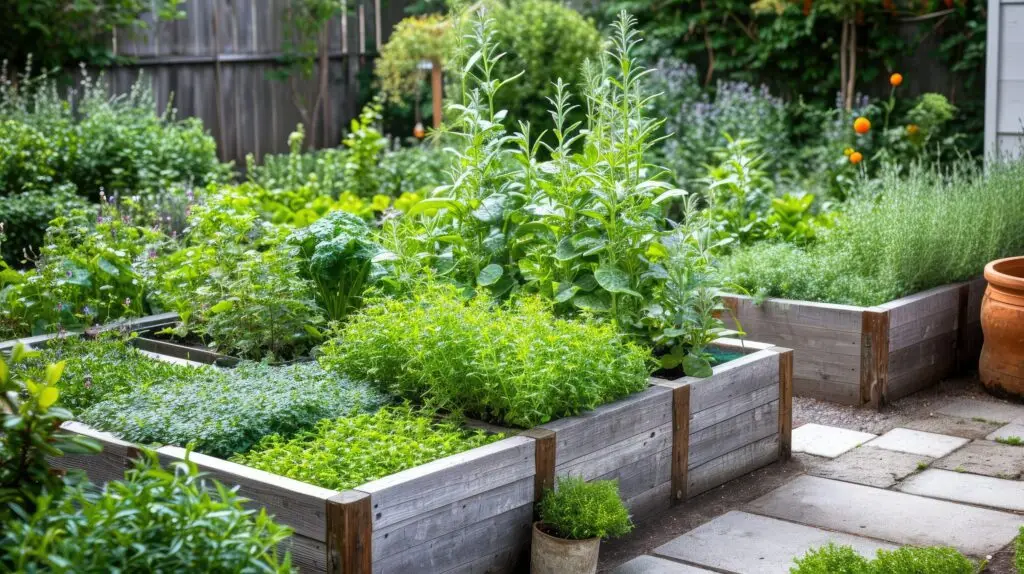
Garden boxes are excellent for growing for vegetables. They have raised sides that allow room for adding fertile soil where poor quality soil is present. With solid preparation, design, and planting, you can start a spring vegetable garden in your garden box that will yield sustainable produce all season.
You can start with a garden bed that is between 4×4 feet and 10×10 feet for beginners. Build your garden bed with whatever supplies that you may have on hand like untreated wood, stone, brick, or even metal. Wood that is untreated is an inexpensive and lightweight option, but if you have some of the other materials mentioned on hand, they work well too. The important thing is to just get started.Kellogg Garden OrganicsAll Natural Garden Soil
**Product not available in AZ, CA, HI, NV, UT. For a comparable product in these states click here.
Add and Amend Soil
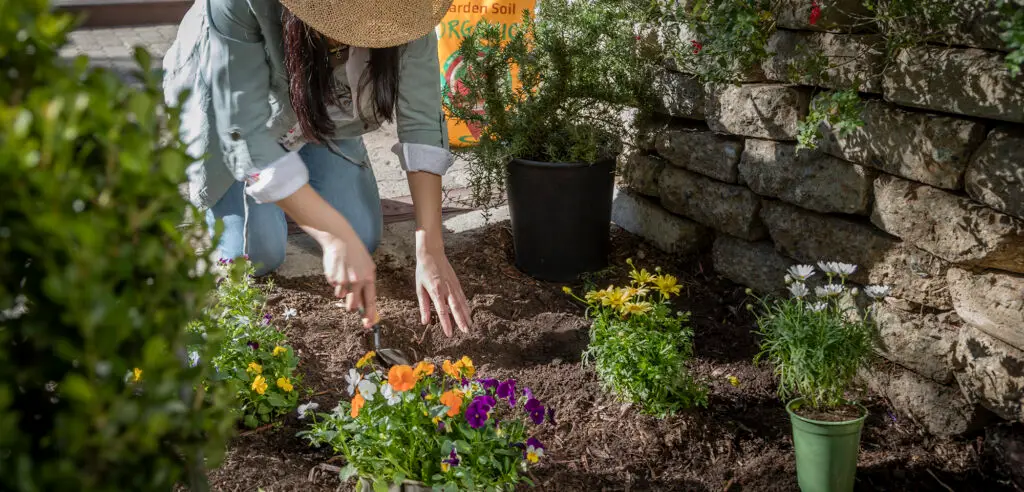
After you construct your garden bed, fill your garden box with rich organic compost. Without proper soil conditions, your vegetables will not thrive. For a successful harvest, your vegetable garden requires the most enriching and well-drained soil that you can offer it. You can obtain a simple soil test kit from a garden center to get a sense of what your soil is lacking and then spread necessary soil amendments like compost and work them into the soil.
Plant a Mix of Annuals and Perennials
When planning a vegetable garden, we tend to gear our thinking solely to traditional crops like tomatoes, peppers, cabbages, and corn. But don’t be so quick to rule out perennial plantings, as they can be a vital component in any the garden bed. Perennials have a long lifespan and come back stronger every year, whereas annual plantings are finished in one growing season. Consider a mix of both when choosing plants for your vegetable box.
Select five to seven types of vegetables that you want to grow, keeping in mind what your family will eat. If possible. Select a mix of annuals and perennials. Propagate plants by sowing them indoors a few weeks before frost, directly sowing into the ground, or planting selections from your local garden center. Plant a couple of plants of each variety using recommended spacing.
Don’t forget that both annual and perennial herbs can make excellent companion plantings in a simple spring vegetable box.
Grow Things You Enjoy Eating
Plan your spring vegetable garden box around things that you and your family like to eat and be realistic about the amount that you are planting so that you can minimize waste.
Many vegetables like peppers, tomatoes, eggplant, and squash keep producing fruit throughout the growing season, so you may not require that many plants fulfill your needs.
Grow Vertically
You are starting with a small vegetable box, but that doesn’t mean that you cannot make the most of your garden space by growing certain crops vertically. Use obelisks, cages, teepees, and trellises to help climbing varieties soar to great heights without consuming valuable garden space. Indeterminate tomato plants, peas, beans, cucumbers, and winter squash are all great climbers that will thrive with vertical gardening.
Add Mulch
Spread two to three inches of organic mulch around the base of the plants and on areas of exposed soil. Not only does mulch help to deter weeds, but it also can help keep your garden soil moist, protect against soil erosion, and will add essential nutrients to the soil as it breaks down.
Provide Adequate Water
A successful spring vegetable box needs to be adequately watered when there isn’t rain to do it naturally. Water new plants in well right after planting and apply additional water when the top layers of soil appear dry. For a more sustainable approach, consider leaving out some watering cans or buckets nearby your garden box to collect excess rainwater that you can use to water your vegetables.