In recent years, we’ve become more and more aware of the importance of protecting our native animals and valuable insects — it’s not just for the sake of ensuring the future of these creatures, although that’s certainly a valid enough reason in itself. But as organic gardeners, we know that everything in nature is connected, and when we break that chain — through soil destruction, loss of pollinators and the like — our very food sources are greatly impacted.
Take our native birds. Failure to protect them and draw them into our gardens results in an unfavorable pest population, which then leads to the destruction of food and ornamental crops. Want to do your part? Here’s how to manage garden pests on your property by planting for native birds, using some of our best-known and valuable birds as examples.
5 Native Birds & What Plants Attract Them
Northern Cardinal
These beloved crimson birds consume large amounts of beetles, grasshoppers, leafhoppers, stinkbugs, and snails, so if you want them to do their job, you have to give them what they need. Plant sunflowers, elderberries, and serviceberries — cardinals love plucking these nutritious seeds and fruits. And guess what? Grosbeaks and tanagers like the same kinds of plants, so you’re getting a 3-for-1 kind of deal.
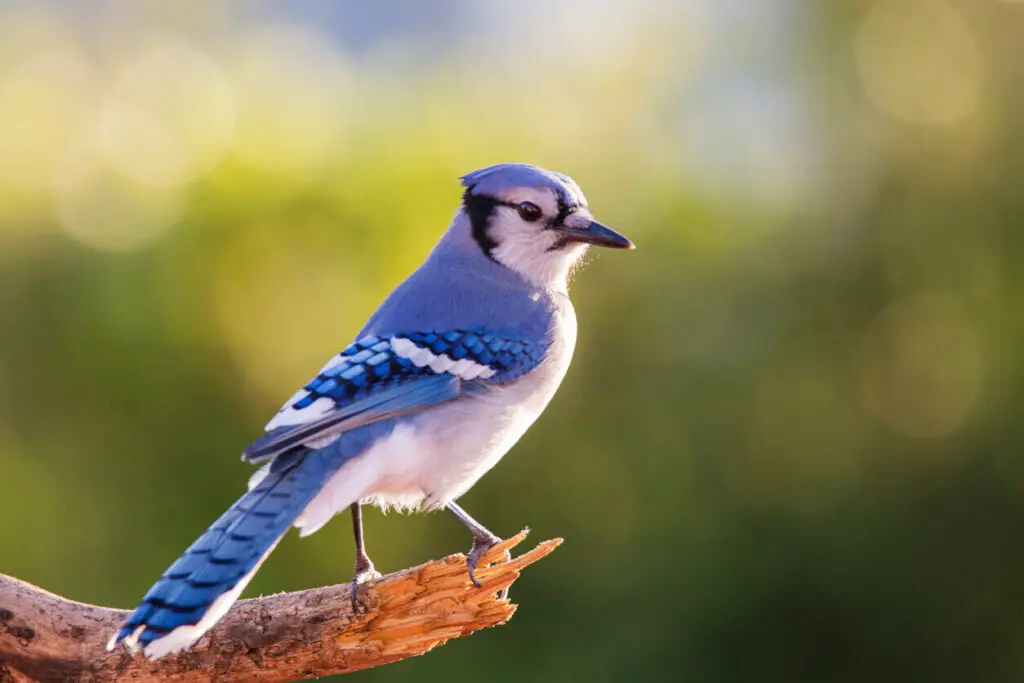
Blue Jay
Although blue jays get a bit of a bad rap for eating eggs or baby birds, their diet mainly consists of acorns, nuts, and seeds. Attract them to your garden with oak and beech trees, and watch your caterpillars, beetles, and grasshoppers decline.
American Robin
These sing-song birds eat a stunning variety of garden life, from earthworms, caterpillars, and beetles to snails, spiders, termites, flies, millipedes, and centipedes. Lure them in by planting roses, cherries, plums, chinaberries, blackberries, cedar, juniper, mulberry, sumac, viburnum, and mountain ash.
Northern Mockingbird
The Chatty Cathy mockingbird loves nothing more than to feast on beetles, grasshoppers, and caterpillars. If these pest populations are out of control in your garden, get busy planting elderberry, blackberry, juniper, and pokeweed.
Woodpeckers
Got a preponderance of larvae, beetles, weevils, and borers? Calling all woodpeckers! Trees like hickory, oak, pine, and cherry attract scores of tasty pests during the summer, and in the winter? Woodpeckers dine on pine seeds, cherries, acorns, and hickory nuts. And added bonus is that many other bird species take cover in the cavities that woodpeckers drill into the trees.
General Planting Ideas to Attract Valuable Birds
Chances are great that you have more than these 5 varieties of native birds in your garden. To ensure your landscape is a haven to these feathered creatures, grow a variety of trees, shrubs, vines, and perennials that include:
• Berries
• Nuts
• Acorns
• Seeds
• Fruits
• Dense greenery for cover
• Shredding bark for nest material
• Cavities for shelter