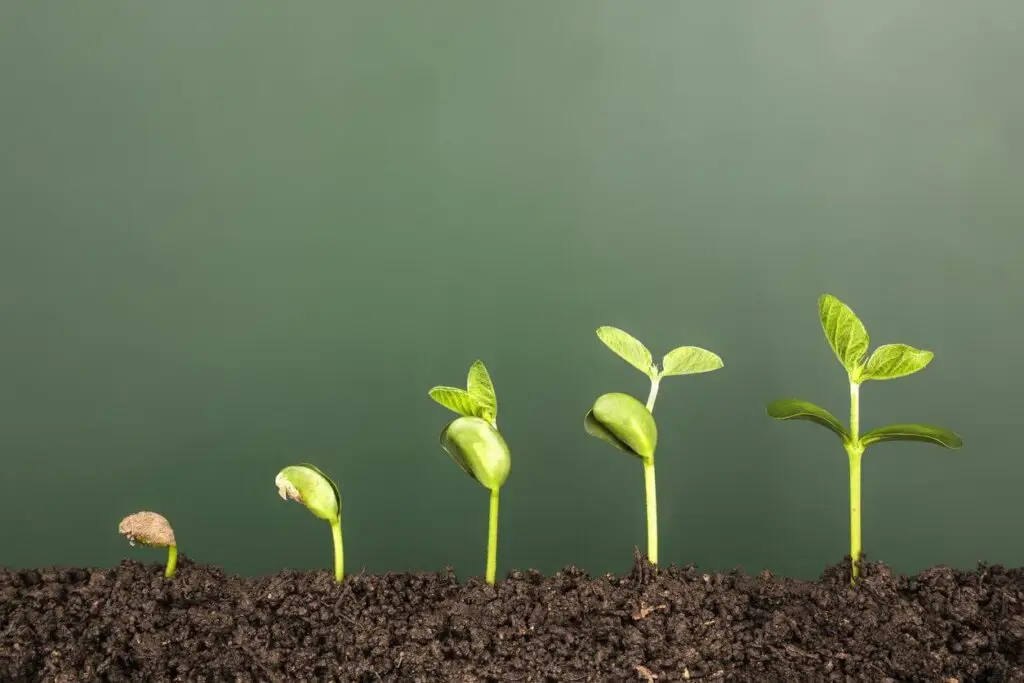
While it’s quick and easy to buy your 4” transplants from the garden center each season, there are lots of reasons to sprout your own seeds at home — you can save a substantial amount of money, you’ll have access to a wider range of plant varieties, and you’ll have the satisfaction of seeing a plant through its full life cycle. But if you’re a newbie seed sprouter, don’t be afraid. It’s really quite simple once you understand the basics. So if you’re ready to get sprouting, here are the basic steps to follow.
5 Seed Starting Hacks
In this video, Resh Gala, an urban organic gardener in New Jersey – Zone 6b, shares her top 5 seed starting hacks. Whether your garden is big or small, make the most of your space with these tips and watch the full 5 Seed Starting Hacks video on the Kellogg Garden Youtube Channel.
How to Start A Garden Inside
Select A Seed Starting Container
Seed-starting kits with growing trays are a good choice for those who are new to seed sprouting — they have everything you need to get going. However, you can theoretically use any container that will hold your growing medium as long as it is clean and sterilized. Reuse last year’s cell pack from your annuals, repurpose yogurt cups, or any other small container that is no larger than 3-4” across and has adequate drainage.
Add An Organic Growing Medium
Use bagged seed-starting mix, compressed peat pellets, or coir. Regular potting soil or, worse, soil from your garden, will be much too heavy for seeds to germinate (sprout) and grow. No additional fertilizer is needed, though, as seeds already contain the nutrients your new seedlings will require.
Gather Your Seeds
Grab a seed catalog, visit your local nursery, or jump online to ensure that you have all of the seeds you’ll need for the season. Once you have acquired all of your desired seeds take note of their planting requirements and germination, as well as the maturity period. This information will help you when it comes time to plant and harvest your fruits, veggies, and flowers.
To figure out the ideal planting date, examine the days until maturity on the back of the seed packet and count backward from the time you want to harvest the crop. Be sure to take note of any upcoming frosts or freezes, as this may impact when you can transplant your seedlings outdoors.
Click the image below to shop for vegetable seeds from one of our partners, Seeds for Generations.
Provide Starts With Adequate Light
I like to move my growing trays to a bright window with indirect light with a lamp nearby as they grow. For many plants, this is adequate, but if you lack proper light you’ll want to consider purchasing some grow lights. Special light kits are available, but you can also use T-8 or T-12 fluorescent lightbulbs from the home improvement store and hang them 3-4” above your seedlings. Regular incandescent lightbulbs will not work, however, as the resulting heat is too intense and will damage your plants.
Water Frequently
Check your seedlings daily, and add water from the bottom. This is easy if you are using seed starting trays, and some even have a self-watering reservoir. Whichever system you use, follow the directions for how much water to add daily. In my system, it’s about ¼” every morning.
Harden Off Slowly
“Hardening off” is a process of introducing your new seedlings to the outdoors in a very slow manner. Wait until all danger of frost has passed, then take your seedlings outdoors for a few hours one day, then a little longer the next day, and so on. Bring them in at night when the temps get a little cooler, but by the end of the week, your babies should be acclimated to their life outside.This page contains affiliate links. If you choose to purchase products through these links Kellogg Garden may earn a small commission at no additional cost to you. Kellogg Garden OrganicsAll Natural Raised Bed & Potting Mix
var lcly_config_0 = {
“company_name”: “Kellogg Garden Organics”,
“button_text”: “Find it Locally”,
“button_id”: “HTML”,
“company_id”: “111415”,
“css”: “4”,
“always_hide_button”: “1”,
“show_related_styles”: “1”,
“n_related_styles”: “3”,
“show_location_switcher”: “1”,
“show_location_prompt”: “1”,
“lang”: “en-us”,
“show_dealers”: “1”,
“n_dealers”: “2”,
“category”: “KGN”,
“show_address”: “1”,
“link_opens_modal”: “1”
};
var lcly_query_0 = Object.keys(lcly_config_0)
.reduce(function(a,k){a.push(encodeURIComponent(k) + ‘=’
+ encodeURIComponent(lcly_config_0[k]));return a},[]).join(‘&’);
var lcly_endpoint_0 = ‘https://kellogggarden.locally.com/stores/map.js?’ + lcly_query_0;
document.getElementById(‘lcly-script-0’).src = lcly_endpoint_0;
Product not available in AZ, CA, HI, NV, UT. For a comparable product in these states click here.
Share The Garden Love
About the Author:

Jenny Peterson is a landscape designer and urban farmer living in Austin, Texas. She comes from a family of gardeners and her gardens include drought-tolerant plants, herbs, veggies, and a wildflower pollinator garden. As a breast cancer survivor, Jenny specializes in gardens that heal from the inside out.