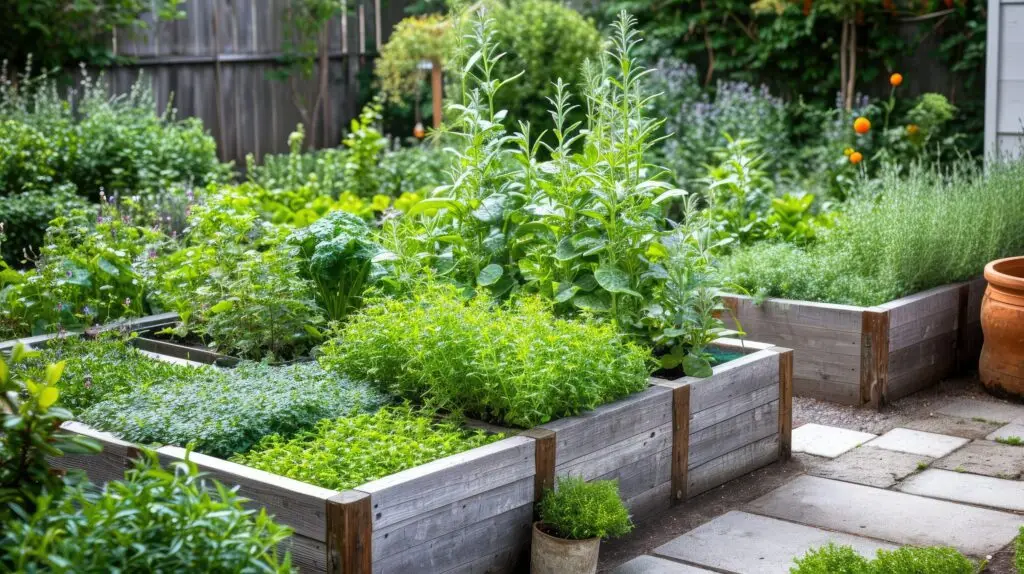
Give your tomatoes the best possible environment to grow by implementing companion planting in your vegetable garden. Companion planting is an excellent way to improve the health and fruitfulness of your tomato plants. Planting compatible plants near each other are mutually beneficial for your crops, as they can reap the rewards from each other’s attributes.In addition to adding benefits to your tomato plants, companion planting makes for more efficient use of garden space, organically deters harmful pests, and acts as a living mulch to protect and feed the soil of your garden bed. The bio-diversity that tomato companion planting provides is also excellent for pollinators, wildlife, and overall soil health.
Best Tomato Companion Plants
Discerning what works well together and learning about the ways that individual plants can bolster others can significantly improve the productivity in your garden. Check out our robust list of which plants make the best tomato companion plants.
Basil
Plant several plants of basil around the base of your tomato plants. Not only does this delicious and fragrant herb naturally repel destructive pests like aphids, hornworms, and spider mites, but basil will actually enhance the flavor of your juicy tomato crop.
Beans
Beans make a great companion plant for tomatoes because they can climb up the tomato plant stalk and because beans release nitrogen back into the soil as they grow. This is ideal because tomato plants are heavy feeders of nitrogen, and the bean plants act as a natural fertilizer in the garden.
Carrots
Carrots grow deep into the soil, and as they grow, they can break up the soil, allowing essential nutrients, water, and oxygen to permeate the roots of the tomato plants.
Onions
These pungent vegetables make great tomato companion plants. Their unappealing odor is a natural deterrent of many garden pests that feed on tomato plants.
Peppers
Tomatoes and peppers are really like sister plants in the garden. Intermixing these two high yielding producers in your vegetable garden eases your gardening work because they have very similar requirements for light, water, fertilization, and pest control.Kellogg Garden OrganicsAll Natural Garden Soil
**Product not available in AZ, CA, HI, NV, UT. For a comparable product in these states click here.Marigolds
Scatter vibrant marigolds in your vegetable garden. Not only do they add color and cheer, but they can counteract root rot on tomato vines caused by destructive nematodes, tomato worms, and slugs.
Celery
The loose root system of celery plants encourages earthworms and other beneficial insects to permeate the garden soil around the roots of your tomato plants. Consequently, the worms release nutrients back into the soil as they thrive in the garden, which improves the overall health of the soil in your tomato garden.
Leaf Lettuce
Plant lettuce varieties in the vacant spots in your garden bed. The shade-loving plants will enjoy the cover that tall tomato plant provide and the low growing lettuce will act as a living mulch, protecting the soil from erosion, nutrient depletion, and regulates soil moisture.
Root Vegetables
A wide variety of root vegetables make ideal tomato companion plants because they rely heavily on phosphorous to develop strong root systems. With tomato plants feeding heavily on nitrogen from the garden soil, the root vegetables can focus more on root development than on greenery. Root vegetables coexist well in the garden together because they do not compete with each other for soil nutrients.
Parsley
Attract hoverflies to your vegetable garden by inserting some parsley plants around the bed. These beneficial insects feed on many of the destructive garden pests that seek out and destroy tomato crops.
Borage
Try companion planting borage in your garden to bolster the overall health of your garden and, like basil, can add superior flavor quality to your ripened tomatoes. As an added bonus, borage is an organic repellant of hornworms and cabbage worms.
Plants to Avoid in a Tomato Garden
As important as it is to know what plants work cohesively in a vegetable garden, it is equally important to understand what plants do not make good tomato companion plants. Tomatoes just do not work well with all crops, and a poor combination might diminish your yield and affect the health of your tomatoes. Peruse this short list of plants that can bestow adverse effects on your hard-earned tomato crop.
Cabbage and Broccoli
Cabbage and members of the Cabbage family of plants can inhibit the growth of tomato plants.
Fennel
This tricky plant releases a substance from its root system that impeded the growth of tomatoes and many other plants. It’s best to plant this plant in a pot instead of placing them in a companion bed with other crops.
Corn
The destructive earworm pest is the equivalent of the tomato fruit-worm. Planting plants together that are susceptible to the same pests can decimate an entire garden.