There’s nothing worse than setting out new garden transplants and then finding them chewed down, dug up, or stepped on the next day. (Well, there are probably worse things in life, but as a gardener, I’m having a hard time figuring out what that might be.) Just last year, my husband went out to the vegetable garden and left the gate open, and an hour later I found our goat, Goatier, happily chowing down on our tomato plants that were days away from the first harvest.
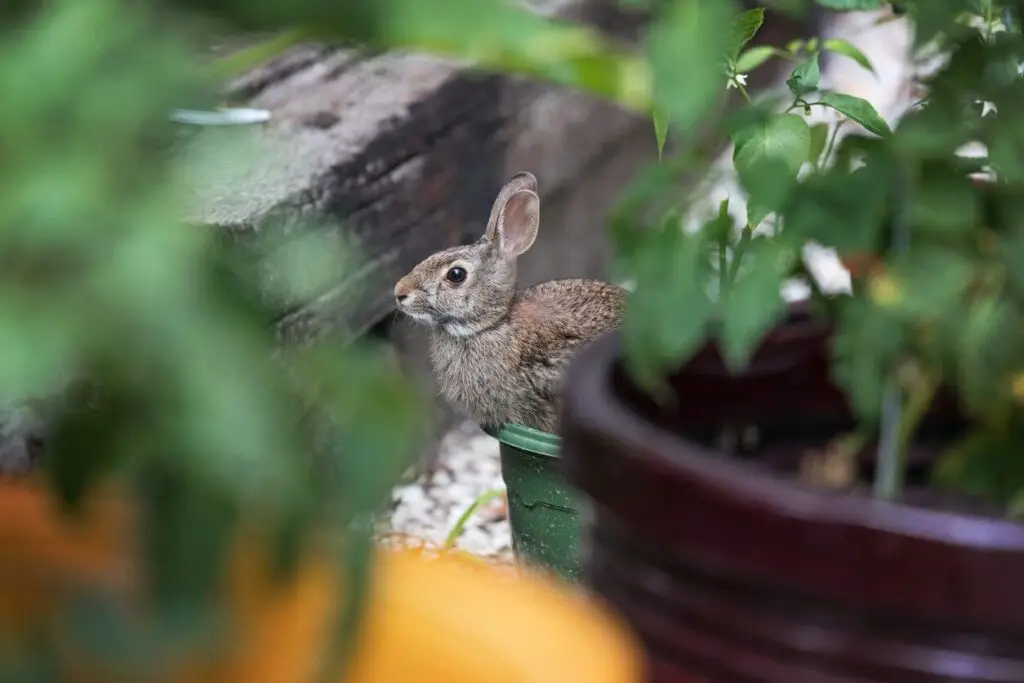
You might not have a goat, but chances are good that you have any number of other small to large furry animals that sneak into your garden at night to throw a party. Squirrels, rabbits, voles, moles, deer, gophers — they all like tender growth and tasty veggies just as much as we do. So what can you do to protect your garden from these critters? Quite a bit!1. ID the culprit. As best as you can, try to determine what is causing the damage, and then learn about that creature’s habits. Controlling deer is a totally different game than outsmarting rabbits, for example.
2. Avoid attracting them in the first place. Here’s where your good gardening habits will stand in good stead. Look around your yard and garden with an eagle eye, and clean up or remove anything that could be attracting these pests. Remove brush piles, seal up crawl spaces, cover your compost pile, and clean up bird seed and fallen veggies or fruit.
3. Choose your control. While it’s certainly an option to eradicate (ie: kill) trespassers, my suggestion is to try and live with the wildlife you have while taking steps to protect your valuables. Here are some ideas:
Read More: Manage Garden Pests by Planting for Native BirdsRepellents: Repel animals by either scent, motion, or scare devices. Garlic clips, predator urine, mothballs, or castor oil are good examples of scent repellents — but be aware that mothballs are poisonous to both pets and kiddos. Try motion-activated water sprayers or noisemakers, ultrasonic repellers, reflective tape, and fake predators (scarecrows, for example).
Fencing: Fencing, whether permanent or temporary, is a great solution for excluding animals from your garden. A 42” high barrier is high enough to deter most small animals, but if you’re dealing with deer, start at 6’ high and go up from there (they are fantastic jumpers, just FYI). Electric fencing is another effective option, even though it’s more expensive — but we’re talking about saving our zucchini here, right?Plant covers: Cloches made from chicken wire do an adequate job of covering and protecting small transplants until they’re established. I’ve had to use wire bent into a “U” shape to secure them into the ground so curious animals don’t overturn them, but it’s a fairly effective step.
Traps: Always be aware of your area’s guidelines or laws for relocating wildlife, because once you’ve caught them in a trap, you’ll need to figure out what to do with them. I don’t recommend simply moving them out of your yard and into another area where they will pose a problem for another gardener — and it’s for that reason that trapping tends to be one of the last options I reach for.
Dogs or cats: I have two dogs who are great at scaring away critters large and small. Usually they just bark the other animal away, sometimes they chase them off, and other times they catch them and, well, you know. Let your dogs (and cats, if they are outside cats) do their part to keep the garden safe.
Kellogg Garden OrganicsAll Natural Garden Soil
var lcly_config_0 = {
“company_name”: “Kellogg Garden Organics”,
“button_text”: “Find it Locally”,
“button_id”: “HTML”,
“company_id”: “111415”,
“css”: “4”,
“always_hide_button”: “1”,
“show_related_styles”: “1”,
“n_related_styles”: “3”,
“show_location_switcher”: “1”,
“show_location_prompt”: “1”,
“lang”: “en-us”,
“show_dealers”: “1”,
“n_dealers”: “2”,
“category”: “KGN”,
“show_address”: “1”,
“link_opens_modal”: “1”
};
var lcly_query_0 = Object.keys(lcly_config_0)
.reduce(function(a,k){a.push(encodeURIComponent(k) + ‘=’
+ encodeURIComponent(lcly_config_0[k]));return a},[]).join(‘&’);
var lcly_endpoint_0 = ‘https://kellogggarden.locally.com/stores/map.js?’ + lcly_query_0;
document.getElementById(‘lcly-script-0’).src = lcly_endpoint_0;
**Product not available in AZ, CA, HI, NV, UT. For a comparable product in these states click here.
Share The Garden Love
About the Author:

Jenny Peterson is a landscape designer and urban farmer living in Austin, Texas. She comes from a family of gardeners and her gardens include drought-tolerant plants, herbs, veggies, and a wildflower pollinator garden. As a breast cancer survivor, Jenny specializes in gardens that heal from the inside out.