Most gardeners know that spring and fall are good times for pruning perennials, but did you know that some flowering perennials also love a good summer haircut? It’s true! High summer temps can take a toll on our flowering plants, so it’s a kindness to cut them back a bit to give them a break and encourage additional bloom.
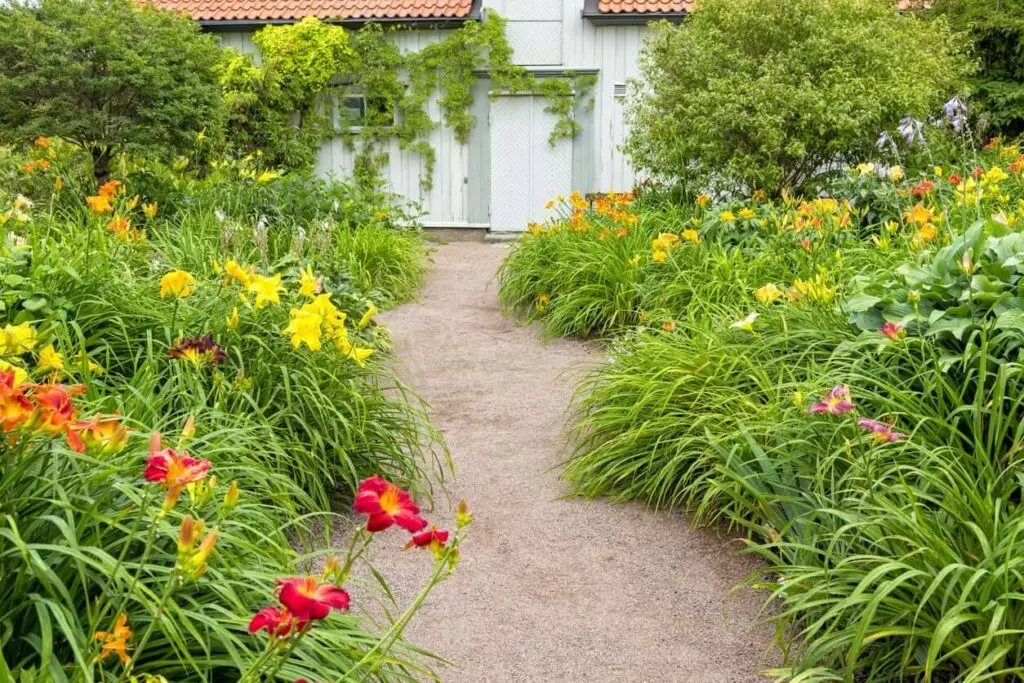
But which plants like this? While it’s difficult (no, impossible) to write a definite article including every plant, here are some general guidelines to follow as you plan your summer pruning. Curious about a specific plant not mentioned here? Simply do an Internet search “(plant name) + summer pruning” and you’ll find additional suggestions.Deadheading: When you trim off the faded or dead flowers, the plant gets the message that you want it to produce more flowers instead of forming seeds. This works for many, but not all, perennials (again — perform that quick internet search). In general, avoid cutting off developing flower buds if you can. Many flowers have blooms at the end of a longer stem, so be sure to cut back that entire stem to a thicker main stem or you’ll be left with a bunch of flowerless sticks in your plants. Good examples are purple coneflower, rudbeckia, beebalm, Shasta daisies, yarrow, and blanket flower. Some perennials, however, have buds forming on the same stem where a faded flower is — in this case, you’ll need to remove the individual flowers without removing the stem itself. Daylilies and balloon flowers are among this group.
Light Pruning: Do you have perennials that bloom in the spring or early summer? Wait till they’re done blooming, then lightly shear them back, encouraging a denser, bushier growth habit. Moss phlox, evergreen candytuft, perennial alyssum, rock cress, and wall cress are good examples.Hard Cut-Back: Perennials that only bloom earlier in the season typically look pretty sad after flowering, and when you add a long and hot summer into the mix, they look terrible mid-season. With plants like silver mound artemisia, lady’s mantle, bleeding heart, catmint, cranesbill geraniums, blue salvia, and chrome spurge, go ahead and give them a hard cut-back. You won’t hurt them, I promise. A hard cut-back can be anywhere from a couple of inches high to just under a foot, so be sure to do your internet research to know how far back to cut a specific plant in your garden. Cutting back some plants in this manner encourages healthy, compact, and fresh-looking new growth — a welcome contrast to the ratty-looking and tired growth of perennials that have done their job but now struggle in the heat.