The Benefits of Organic Materials in Your Garden
I come from a gardening family, but I’m the only one who gardens organically. Our father was really into his garden chemicals — I don’t say that as a criticism, just a fact — so when my siblings and I started gardening, we naturally followed suit. It was only after I was certified as a Master Gardener that I started changing my gardening habits, because until then, I didn’t understand the need or even the benefits of organic gardening. I thought it was just simply “cleaner.”
Everything you need to know about Organic Fertilizers
As it turns out, there is a lot going on in the garden, particularly the soil, when you do it organically. Take adding organic materials to the soil, for example — I used to think, “Why go through that whole process when you can just use a fertilizer from a bottle or a package and everything looks just as good?”
The organic gardener’s choice:
While using synthetic (non-organic) materials in your garden may deliver a quick punch of life to your plants, organic material added to your soil helps to build up the health of your garden over a long period of time. A good comparison would be dieting — you can severely limit your food intake for a few days to lose a couple of pounds, but it’s much better for your overall health to change the way you eat and exercise so that your body naturally stays within a good weight.
Organic Fertilizers vs. Synthetic Fertilizers: What’s the Skinny?
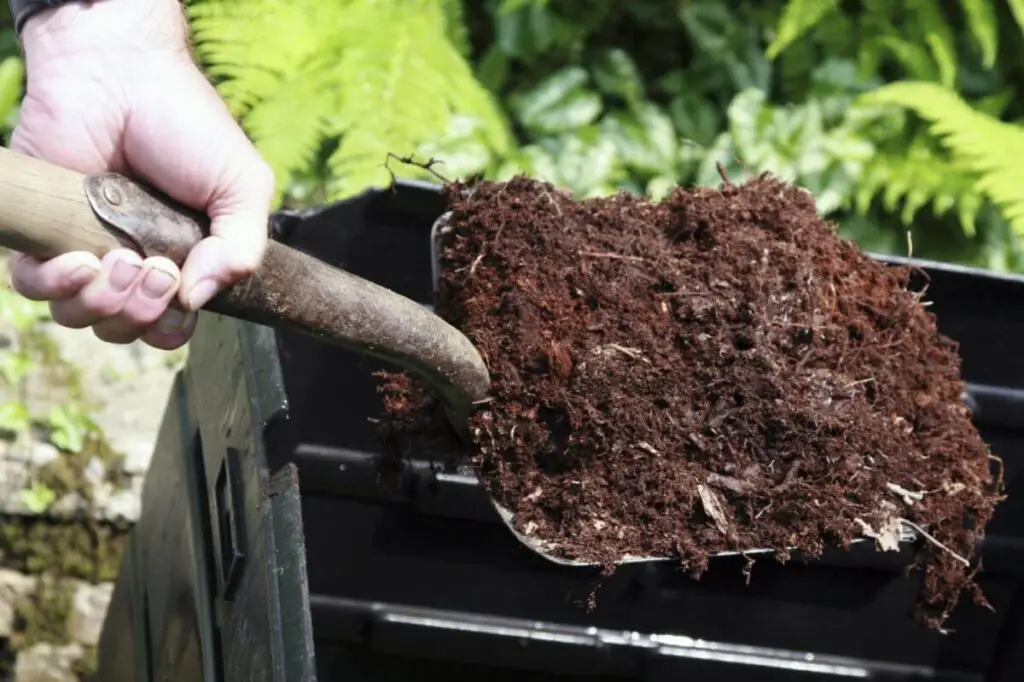
Examples of organic matter are leaves, lawn clippings, cornstalks and straw, green manures (plants that are grown for the purpose of tilling them into the soil), sludge and manure.
And here’s a breakdown of the benefits of adding materials like these to your soil:
4 Benefits of Adding Organic Materials To Your Soil:
- Improves soil structure so that water, air and energy can move freely through the soil. Good soil texture should be crumbly to the touch, not clumpy or sandy.
- Increases nutrient content in the soil. Many of us know about soil nutrients like nitrogen, phosphorus and potassium, but organic matter also builds up copper, iron, zinc and manganese.
- Uses less water. When soil structure and texture is healthy, it retains water more efficiently, leading to less water usage (and lower water bill!).
- Keeps plants healthy. When the soil is fertile, plants are happier. And happy plants have fewer problems with disease and pests. The healthier your plants are, the less need you have to use chemicals to treat pest and disease issues.
I’m convinced that when people understand the benefits of doing something a different way — whether it’s gardening, parenting or nutrition — the transition to better habits is much easier. And we are here to help you!