Over- and under-watering are two of the most common mistakes made in the landscape. To avoid these mistakes, learn about the types of plants you will be caring for and their – often very different – water requirements. Your state agricultural extension is a valuable source of information.
If you are caring for a landscape in the desert southwest, chances are the plants will be extremely drought tolerant. They may require water only every few weeks.
A landscape in New England, however, may need watering weekly or even more frequently during times of drought. Water requirements vary with the seasons, as well. Summer heat dries out the soil and stresses plants, making it necessary to water more frequently. During winter months, water may only be needed every couple of weeks.
Kellogg Garden OrganicsAll Natural Planting Mix for Trees, Shrubs & Roses
**Product not available in AZ, CA, HI, NV, UT. For a comparable product in these states click here.Soils also play a large part in the watering needs of trees and shrubs. Sandy soils along the eastern seaboard dry very quickly, but the loamy soils of the Midwest tend to retain moisture much longer. Clay soils hold moisture the longest, and it is in these soils that over-watering usually occurs.
New Plants
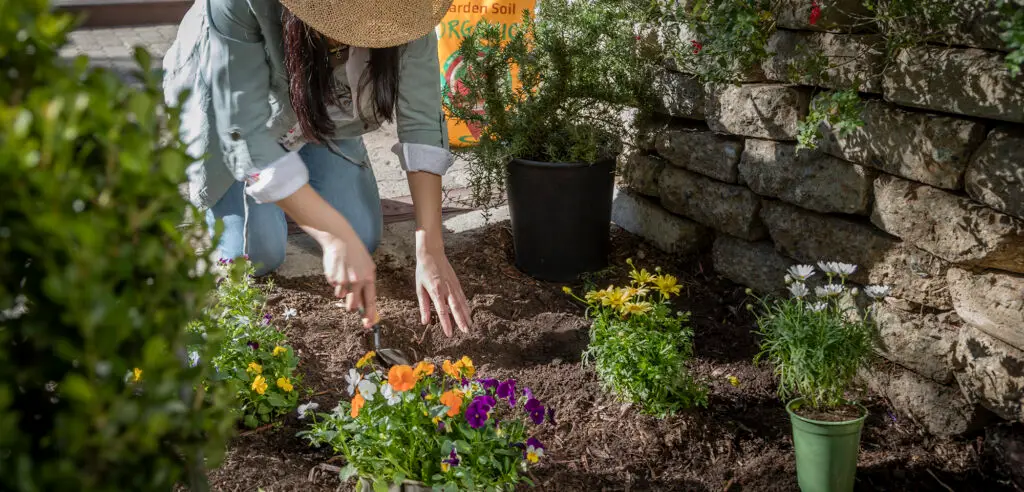
Newly planted trees and shrubs need more water than established plants. If planting during the hot months, plan on daily watering for the first few weeks. It is best not to plant trees and shrubs during the summer months, if at all possible.
The ideal planting times for new trees and shrubs is spring and fall. New plants will still require daily watering for a week or two, but they will establish much more quickly when not stressed by the intense summer heat. By week three, watering can be tapered off to every two or three days. At eight weeks, a weekly watering should be sufficient.
Established Plants
Established plants need water less frequently – once or twice a month depending on rainfall – but in larger quantity to support a more extensive root system. Water deeply, to a depth at least 12″. Use a garden spade to dig down and check soil moisture levels.
Tip
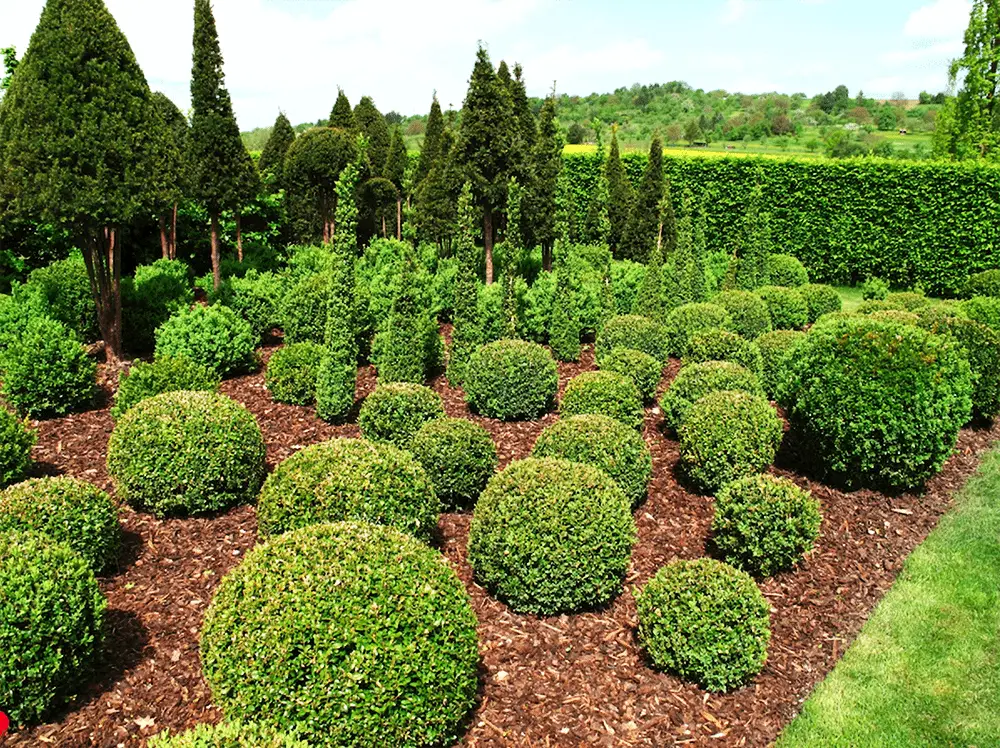
A freshly mulched garden bed is more than just aesthetically pleasing. It retains soil moisture while suppressing weeds, preventing diseases, and moderating soil temperatures. As they break down, organic mulches also enrich the soil.