Ever heard of no-dig gardening? This way of gardening has been around for decades, although many people don’t know about it.
Very similar to “sheet gardening” and “lasagne gardening” (the terms are sometimes used interchangeably), no-dig is a way of gardening that leaves the soil undisturbed by cultivating, plowing, tilling, or digging.
What is No Dig Gardening?
The Benefits of No-Dig Gardening
They are many benefits to this gardening method. Some gardeners are interested in it because of the soil benefits, while others have back/chronic pain issues that lead them to change the way they garden. The benefits of no-dig gardening include:• Less labor
• Reduced need for weeding
• Protects life in the soil
• Improves water retention
• Protects soil structure
• Prevents soil erosion
The Basics of No-Dig
Soil is a very complex ecosystem, teaming with microbes, insects, and anthropods. All of these organisms cycle nutrients, improve soil structure, assist in moving water and air, and control diseases and enhance plant growth. Digging in the soil (or plowing and tilling) exposes that ecosystem to the air, which can dry out and sterilize the soil.
Think about forests — all of that lush growth, and not a gardener around to dig things up. No tractors or tillers to be seen. Yet, all of the fallen organic matter like leaves, twigs, branches, and plant material accumulates on the forest floor, where they decompose in life-giving humus. The earthworms in the soil are the actual diggers, turning over and aerating the soil.
No matter how hard we try, we cannot exactly duplicate the wonders of Mother Nature, but we can attempt to copy some of her wise ways, and no-dig gardening is one of those ways.
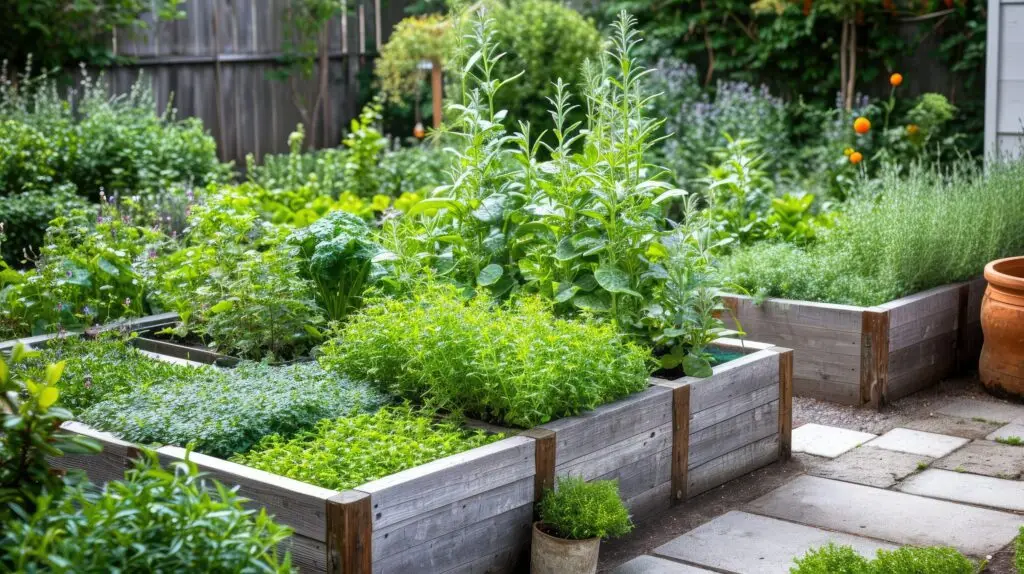
No-dig gardens are a process of adding layers of organic material that can be created in raised beds, on existing grass, and even over concrete (although the first layer process is a bit different for each). Six layers form the basis, and they include, from the bottom up:
- Newspaper
- Lucerne (or alfalfa)
- Manure/compost
- Straw
- Manure/compost
- Straw
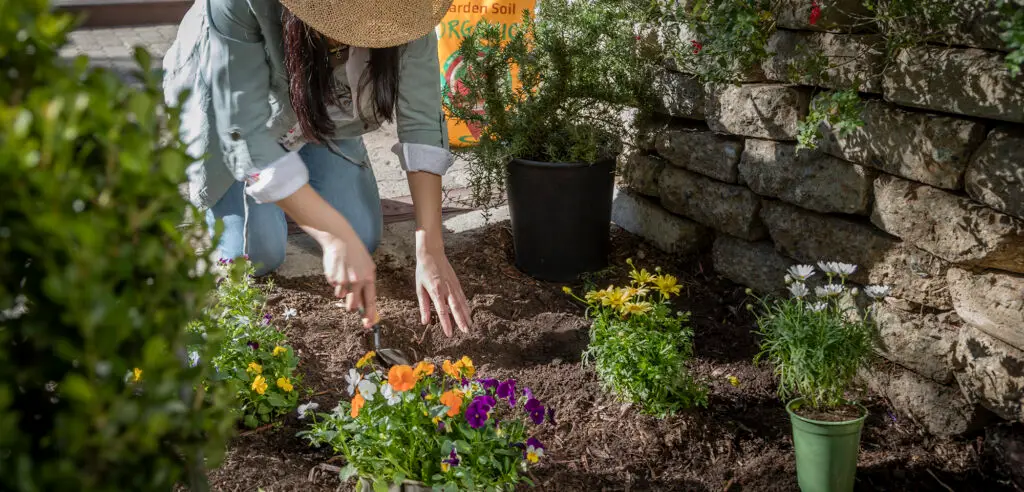
When you’re done layering these materials, simply make a hole in the straw with your hands (large enough for the plant’s rootball), then fill with compost, plant, and water in. No trowels, no shovels! There are several ways to create a no-dig garden, available by a quick Internet search, but this is one of the most used and straightforward.