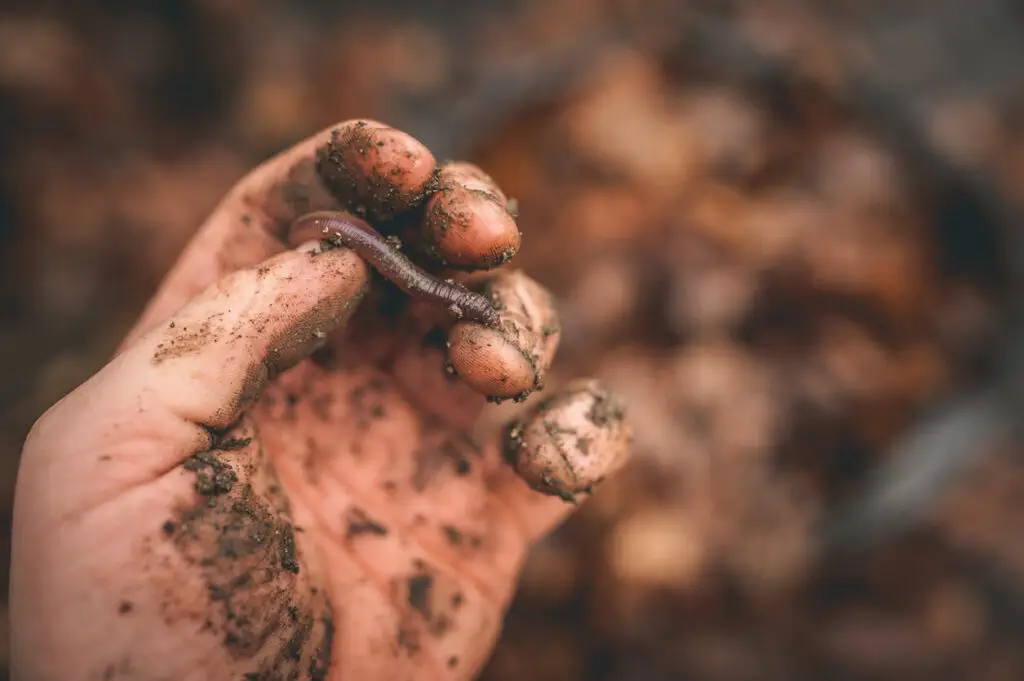
Nothing thrills us quite so much as seeing worms in the garden. Although earthworms aren’t the only indicators of healthy soil, you can be sure that when you spot them in your garden, it’s a good sign that things are working well in your soil. So, why are earthworms so important, and are they all the same? Here’s a quick overview for you.
All Worms are Earthworms
Well, pretty much all of the garden worms we’re talking about here, anyway. While some popular blogposts talk about red worms vs. earthworms, that’s technically incorrect. There are about 1,800 species of earthworms (grouped into 5 distinct “families”) and redworms are one of them. However, some types of earthworms do different things out in nature, and that’s what we’re talking about here.
Why are Earthworms so Important?
Earthworms are some of the hardest-working critters in the garden. They process organic material (both in the soil and in your compost pile) and recycle the contents into nutrients, they help improve soil structure, and they create tunnels in the soil for air, water, and plant roots.
So, which ones do what, and how can we encourage them to take up residence in our gardens?
Two Different Earthworm Jobs
Let’s talk about two big jobs that earthworms do, and which ones do them.
- Worms that Compost: Worms that compost are usually smaller, live closer to the soil surface, and can tolerate higher temperatures and a more crowded environment. They prefer to eat organic matter like compost more than they do actual soil, and as a result, produce richer worm “castings” (worm poop). These are the earthworms you see in your compost pile, and the ones that are recommended for vermicomposting indoors. Common names to look for are “red wigglers” or “red worms.”
- Worms that Move the Earth: These earthworms move deeper in the soil, and tend to be larger as a natural requirement for the job they do. They help aerate the soil and improve soil, and prefer cooler soil and less crowded living conditions (they don’t mind roomies but like their own space). And while they also produce valuable castings, theirs tend to be less rich ones than their compost-eating cousins. These earthworms are usually called “nightcrawlers” — and while they’re the ones that fishermen love because of their size, these are not the type you want to add to your kitchen worm composting project because they prefer digesting soil rather than compost ingredients.
Kellogg Garden OrganicsAll Natural Garden Soil
**Product not available in AZ, CA, HI, NV, UT. For a comparable product in these states click here.
How to Encourage Earthworms to Visit Your Garden
There are lots of ways, and you may be doing some of these already (and if you are, big pat on the back for you).
- Get on a regular schedule of adding compost and other organic matter to your soil
- Start a compost pile. You build it, and they will come.
- Avoid tilling the soil. It destroys soil structure and can kill the worms you already have.
- When your veggies are done for the year, leave their roots in the soil. Got old broccoli plants that need to go? Rather than pull up the entire plant, simply cut it off at the base, and throw the top part of the plant into your compost pile. Surface-dwelling earthworms will process the roots — just doing their job to make the world a better place!
- Create a schedule of adding organic matter to your soil.