It’s a mistake we’ve all made — believe us, we’ve all made it. In our haste to get the garden in (or we got overexcited or life got in the way), we planted our veggie garden all at the same time. Yes, our backs were sore, but the garden looks great and it’s all done, right? Except, if you plant it all at once, it all comes to harvest all at once.
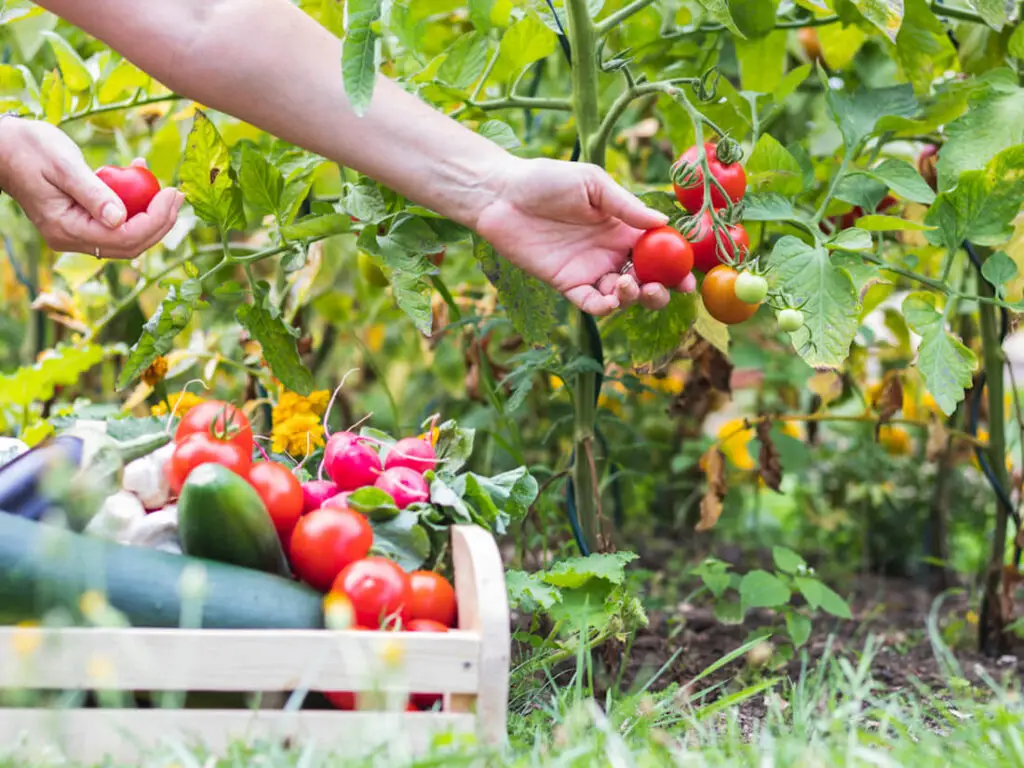
Bushels of tomatoes. Zucchini coming out of your ears. Okra so big they’re turned into tough loofahs because you can’t pick them fast enough. Too much harvest, leading to overwhelm, waste, and then — no harvest at all. Yikes! That sounds like a gardener’s nightmare. We’re here to help you turn that nightmare into a dream, with succession planting. It’s easy, actually saves you time (and your back), and allows you to extend your harvest far longer than you were able to before.
So, What’s Succession Gardening?
Succession gardening is a method of planting one crop after another to increase your harvest — you stagger your plantings so that:
- Your production is higher
- You maximize your available space
- Your produce is harvested during peak conditions
- Your produce has better taste and nutrition
Read More: Combining Cover Crops for Healthier SoilKellogg Garden OrganicsAll Natural Raised Bed & Potting Mix
**Product not available in AZ, CA, HI, NV, UT. For a comparable product in these states click here.
How do I Plant for Succession Gardening?
- Decide upon the crops that you want to grow and how many days they each take to reach maturity for harvest (“XX days to harvest” on the plant tag).
- Know your USDA Hardiness Zone and the average length of your growing season (the number of frost-free days you have per year).
- Identify your average first frost in the fall and the last frost in the late winter/spring – you’ll need this info for subsequent steps (below).
- Stagger your plantings. If you’d like sweet corn, for example, throughout the growing season instead of in one harvest, you’ll need to plant new sweet corn every couple of weeks.
- Using our sweet corn example, count backwards from your first average frost date using sweet corn’s # of days to harvest — that will be your last planting.
- From there, plant new sweet corn every two weeks prior from the last planting — ending with your first planting of sweet corn at the time that is recommended for your area.
Can Any Veggie be Succession Planted?
In short, yes. But because each type of crop has a different number of days to harvest, you’ll get more bang for your buck with some crops over others. Beets, for example, are ready to harvest in about 56 days, as opposed to cabbage which takes up to 165 days.
Cool season greens are a great crop to succession plant — as are
- Beans
- Sweet Corn
- Lettuce
- Carrots
- Peas
- Potatoes
See Also: Designing Your Garden for the Elements