
As organic gardeners, we know that our gardens and the plants in them are only as healthy as the soil they grow in. If you are blessed with perfect soil, you’re off to the best start ever — but sadly, most of us aren’t.
Our soils can be filled with water-logging clay or water-dispersing sand, and everything in between. Soil can also need amending after a great growing season, in-between seasons, or in preparation for laying dormant. Fortunately, there are things we can do to improve your soil structure, and fall is a great time to do it! Here are our best tips for when and how to amend soil for a healthier garden.
How do I know if my soil needs amending?
- Water pooling
- Compaction or Erosion
- Algae on the soil surface
- Lackluster plants
- Decreased harvest/blooming
- Increase in pest or disease issues
To avoid any of the above, it’s a great idea to simply amend your beds every fall to make sure your soil remains healthy and vibrant. As plants grow, they pull nutrients from the soil, so it’s up to us to replenish it regularly. Keep reading to find out how!Kellogg Garden OrganicsAmend Garden Soil for Flowers and Vegetables
Top 5 Tips for Amending Your Soil for Fall
When to Amend Your Soil
Because fall is an important planting season, take your planting schedule into consideration as you amend your beds. If you are building new beds, go ahead and amend the soil before planting perennials, shrubs, and trees. In established beds that are home to vegetables and annuals, amend the soil before each new crop is planted. For existing beds with established plants, aim to add soil amendments when the leaves start to fall (imitating Mother Nature as much as possible).
Amending Soil With Organic Matter
Organic matter is the decaying remains of plants and animals. Sounds kind of gross, but this type of material is the hands-down best at binding to soil particles that, in turn, improve the drainage in your soil. Got clay soil? Organic matter helps to break the soil particles apart so that water can get to the plants’ roots. How about sandy soil? Organic matter lodges itself in between all the spaces so that soil stays moist longer instead of quickly draining before roots can absorb the water.
The best organic matter around? Compost — either your own, bagged from the garden center, or in bulk from your local landscape supply yard.
Other Organic Matter to Amend Soil
- Leaves
- Wood chips
- Grass clippings
- Straw
- Earthworms
- Animal manure (chicken, horse, cow, sheep)
Note: There are some risks to consider when using animal manure, un-composted animal manures may contain human pathogens, consult a professional for advice on using manure in your garden.
Soil Amending Methods
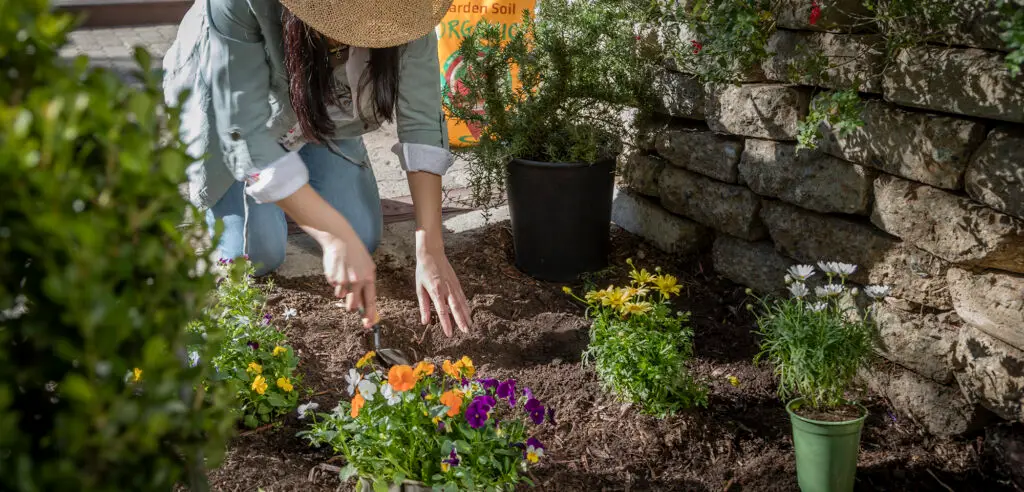
Again, this will vary depending upon what is currently in your beds. For unplanted or new beds, spread your organic matter evenly over the surface of your soil (4-5” for clay soils, or 2-3” for loamy soil or soil that is regularly amended), then carefully work it into the top 9” of soil. Working it in by hand works well for smaller quantities, while a rototiller makes larger quantities easier to incorporate. For beds that have large plantings of trees, shrubs, and perennials, simply spread the organic soil amendment over the surface of the soil as a mulch, then over time, it will be carried down into the soil itself. Regardless of whether your beds are planted or unplanted, though, aim to add your amendments after your fall garden cleanup.
Protecting Soil From Erosion
If you are not in an area where you can enjoy a fall growing season you can still work in the garden you will just be working for the spring growing season. Bare soil is eroded by wind and water, by topping your soil with organic matter that breaks down over time and mulch you can stop soil erosion and nutrient loss. Fall can also be a great time to add cover crops that die off in the winter months and in so doing add nutrients back into your soil. Through either of these options, you are creating the perfect environment for your soil to flourish in spring and summer.
Amending Soil For Fall Gardening
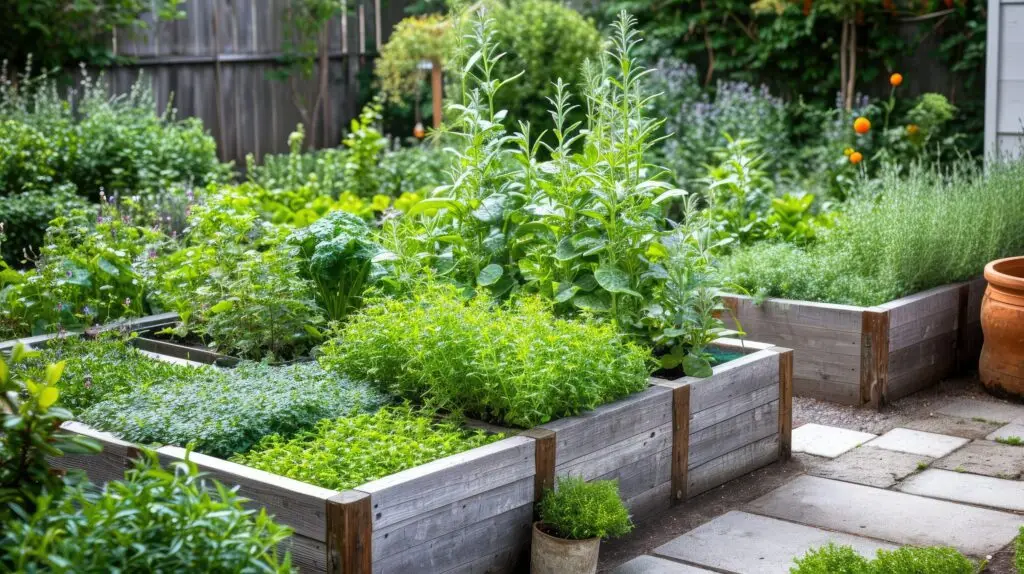
If you are amending your soil for another growing season all of the prior tips still apply however if you are growing in raised beds you may need to top off your beds with some fresh soil. If compaction has occurred you can work your organic matter into the soil and add more soil on top. You may also need to add organic nutrients at this time to quickly replenish the lost nutrients from your summer plants. A granulated organic fertilizer mixed into your soil will slowly release nutrients as the plants grow. While an organic fertilizer will give your seedlings and transplants nutrient boosts as they need them.
Note: Each geographic area has its own soil type. Consult with your local experts about what type of soil you have and the best amendments in your area to improve its structure.